


Showing all 4 results
-

Cold Room Door Flush Lock – BOB-5002
Read more -
Cold Room Door Lock – BOB-5000
Read more -
Cold Room Door Lock – BOB-5001
Read more -
Cold Room Sliding Door Lock – BOB-5003
Read more
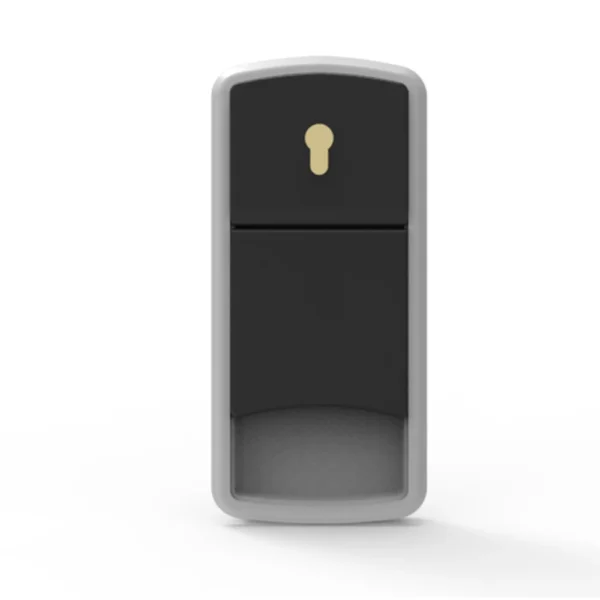
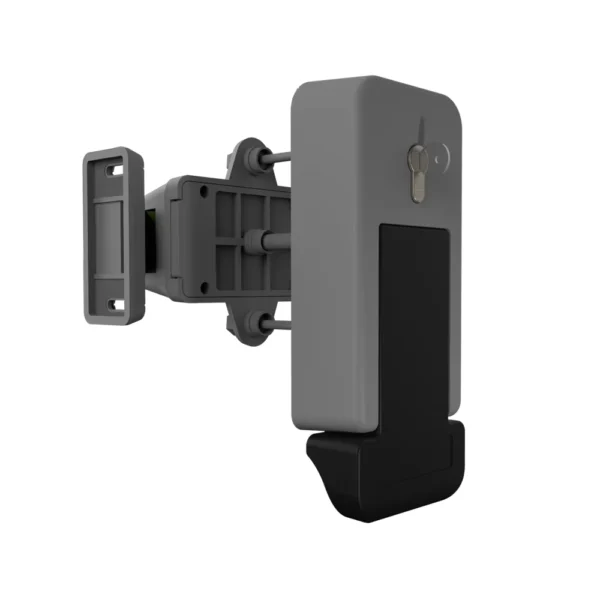
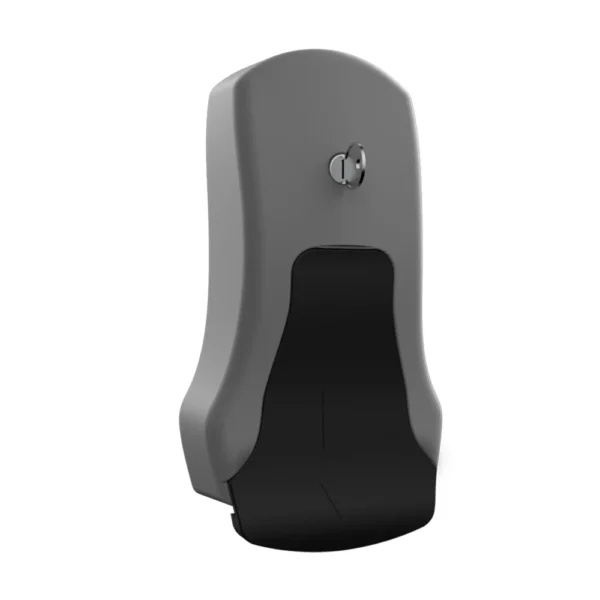

Cold Room Door Locks (Latchs)
Cold room door locks are special components that provide maximum safety for storage areas where sensitive products are kept. At this point, a cold room door lock is much more than just an ordinary door lock. Even the simple “click” sound that people hear can create a positive perception that the system offers a high level of security. On the other hand, a cold storage door lock is designed to meet both personnel safety and system requirements.
Cold room locks prevent personnel from becoming trapped inside, making them vitally important in this respect. Even when the panels are locked, the door can be easily opened from the inside, allowing personnel to exit safely. In other words, a cold room door lock plays a critical role in occupational safety. Locks that press the door firmly against the gasket also prevent the formation of thermal bridges. Preventing heat leakage provides 100% benefit in terms of proper system operation. As a result, both energy efficiency and cost-effectiveness advantages are achieved.
Bob Modüler stands out with its ergonomic, hygienic, and durable cold storage door locks. The lock options offered by the company provide high security in industrial refrigeration systems. These components, which also ensure tight sealing, are fully compliant with international quality standards. The mechanism, designed for demanding industrial conditions, preserves the cold chain as required and delivers maximum efficiency.
The Importance of Choosing the Right Lock in the Cold Chain
Cold storage rooms are areas where there is a significant pressure and temperature difference between the storage space and the outside environment. A low-quality lock mechanism will not withstand this stress over time and will deform. When a cold room door lock fails or does not perform as expected, energy losses and operational disruptions occur.
If the door gasket does not press fully against the frame, energy loss becomes inevitable. Warm air entering through millimetric gaps causes the compressor to run continuously. A refrigeration unit that is constantly operating leads to high energy costs. In addition, a lock that sticks, rusts, or freezes can halt workflow during peak hours. For all these reasons, choosing the right lock in the cold chain is extremely important.
At this point, the cold room door locks offered by Bob Modüler stand out with their high resistance to corrosion. These mechanisms, which are made from composite and metal alloys, provide years of durability. Moreover, the use of corrosion-resistant materials ensures that the mechanism operates smoothly.
Types of Cold Room Locks by Application
Industrial refrigeration systems differ in terms of their design and intended use. Therefore, cold room door locks vary depending on the way the door opens and the panel thickness. Among them, there are various locks designed for hinged and sliding doors.
Hinged (Swing) Door Locks
Hinged doors, which are frequently used in the industrial cold storage sector, are designed for pedestrian passage. On these doors, which typically open to 90 degrees, the cold room door handle must be ergonomic. Thanks to an ergonomically designed handle, the door can be opened easily, even when suitable accessories are mounted on it.
Standard Models
Mechanisms that can be locked from the outside with a key are called standard cold room door locks. Having a keyed system prevents the cold room door from being opened from the outside and thus stops unauthorized entry. However, even if it is locked from the outside, it is essential that the system can be easily opened from the inside.
Composite and Stainless-Steel Body
Composite and stainless-steel locks are resistant to harmful microorganisms. Therefore, they are suitable for environments where maximum hygiene is required, such as the food industry and pharmaceutical storage areas. In addition, these cold room door locks are highly resistant to acidic cleaning chemicals.
Sliding Door Lock Systems
Sliding doors are frequently preferred in warehouses where forklift traffic is intense. In this context, sliding door locks operate with a mechanism that differs from hinged door locks. A sliding door lock ensures that the cold room door leaf sits perfectly on the frame and floor. During opening, it creates a strong lever effect, allowing the gasket to separate from the frame. In this regard, the sliding lock sets offered by Bob Modüler are strong enough to withstand the momentum generated even by heavy doors.
Panic Bar and Internal Release Mechanism for Occupational Safety
One of the common concerns in the industry is personnel becoming trapped inside the cold chain area. Therefore, when selecting a cold room lock mechanism, it is crucial to ensure that it includes a panic bar feature. A cold room lock with a panic bar allows personnel to exit easily from the inside, even when the door is locked from the outside. Cold room door locks with panic release generally include the following features:
- A phosphorescent safety button that glows in the dark and remains visible even in a power outage.
- When light pressure is applied to the panic button, the mechanism instantly releases the lock.
In addition to the above, Bob Modüler offers cold room door lock solutions that are 100% compliant with international occupational safety regulations.
What Is the Relationship Between Tight Sealing and Energy Savings?
One of the main quality indicators for a cold room door lock is the gasket compression level. In this context, it is essential that the lock compresses the door against the frame as effectively as possible. Furthermore, when the lock tongue engages, the cold room door lock should pull the door tightly towards itself. Bob Modüler meets this expectation with its adjustable strike housings. In this way, even if the gaskets loosen over time, you can prevent heat transfer with a simple adjustment.
Installation and Maintenance Tips for Cold Room Door Locks
Cold room door locks deliver maximum performance when they are installed correctly. For this, it is important that the lock body and the strike plate on the frame are aligned on the same axis. If there is an alignment gap, the risk of the lock breaking over time is quite high. In addition, springs and pins must be lubricated with greases suitable for low temperatures. Mechanical components operate better in slightly moist-lubricated conditions, so lubricating the cold room door lock every six months is necessary for optimal performance.
Frequently Asked Questions (FAQ)
What Should I Do If the Cold Room Door Lock Freezes?
If the lock mechanism has frozen, you should not try to thaw it using hot water. Pouring hot water onto a frozen mechanism can cause it to freeze even more severely later. For a permanent solution, you should ensure that a heater cable is installed in the door frame.
Is It Mandatory to Use a Lock with Panic Bar?
According to Occupational Safety Regulations, a panic mechanism is mandatory in cold rooms where personnel can enter. A lock equipped with a panic bar prevents personnel from being trapped inside and enhances occupational safety. This way, unexpected situations are avoided.
Why Won’t My Hinged Door Lock Close?
A hinged door lock may fail to close properly if the gasket has hardened or if the strike alignment has shifted. Loosening the strike plate and realigning it is usually sufficient to resolve the issue.
Does a Sliding Door Lock Alone Ensure Tight Sealing?
The lock system is highly important for tight sealing, but it is not sufficient on its own. A robust rail system and high-quality rollers are also required. In addition, the gaskets must not be worn out. All of these factors together determine how effectively a sliding door lock can provide airtight sealing.