


-

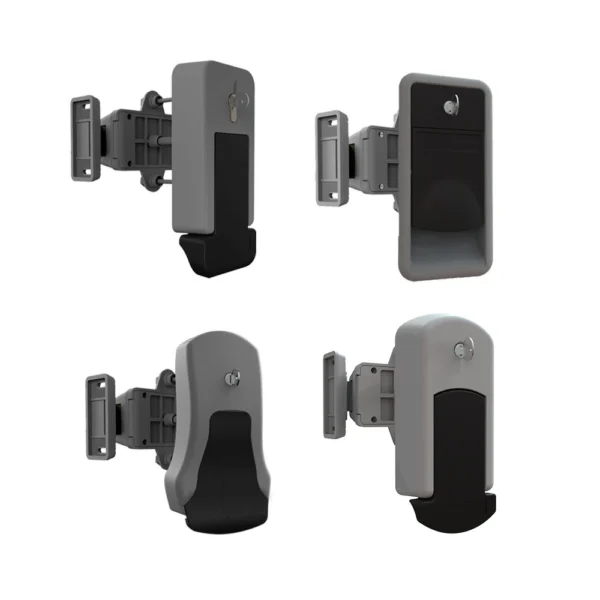
Cold room Door Locks (Latchs) (5)
-
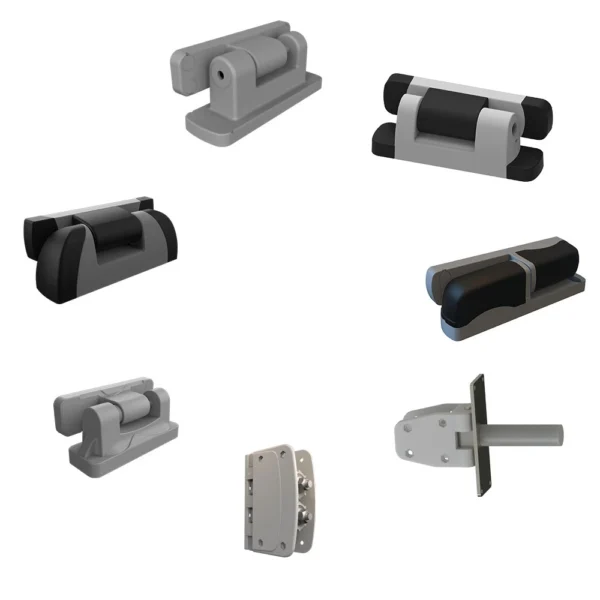
Cold Room Door Hinges (7)
-
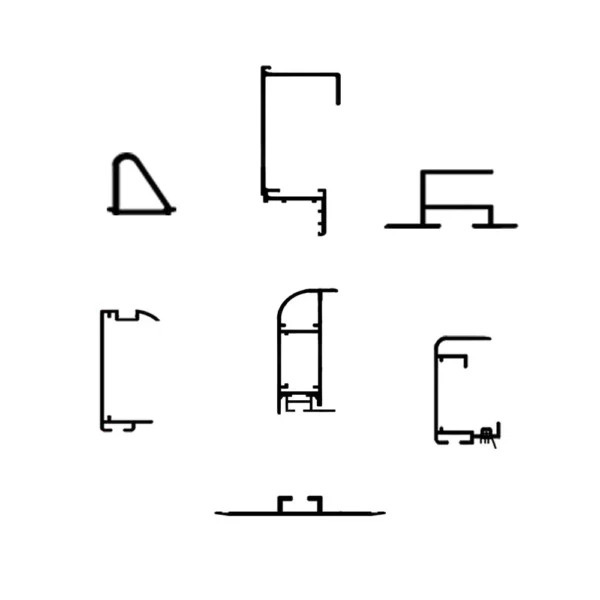
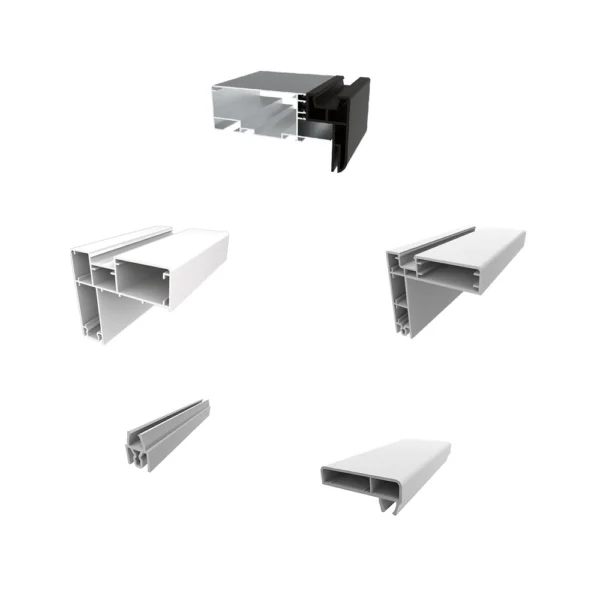
Aluminum Profiles (50)
-
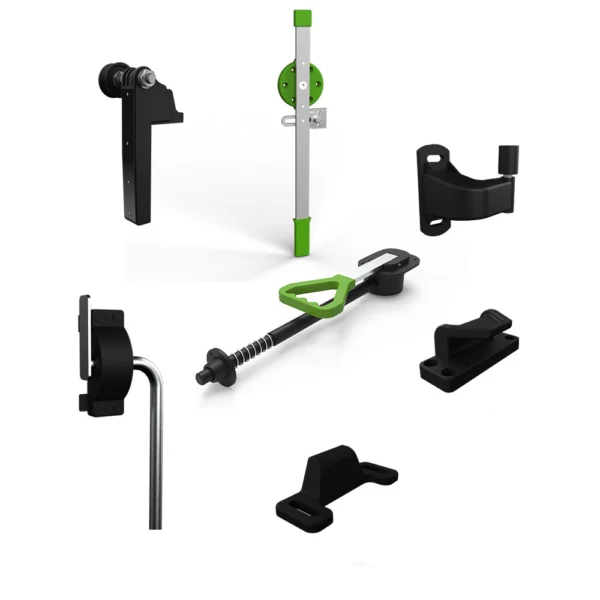
Cold Room Sliding Door Accessory Kit (29)
-
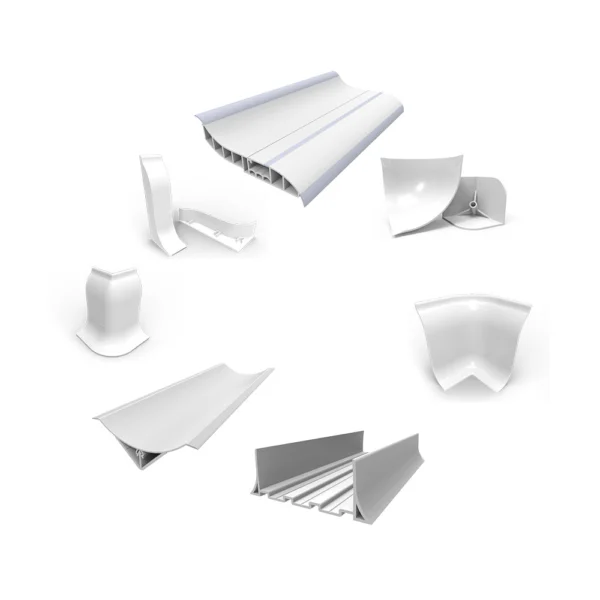
Hygienic Profiles (10)
-
Pvc Frame Profiles and Pvc Strips (29)
-
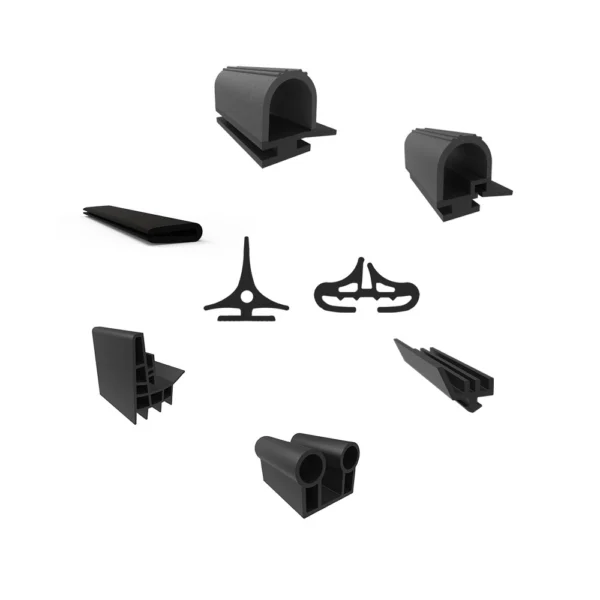
Cold Room Door Rubbers (24)
-
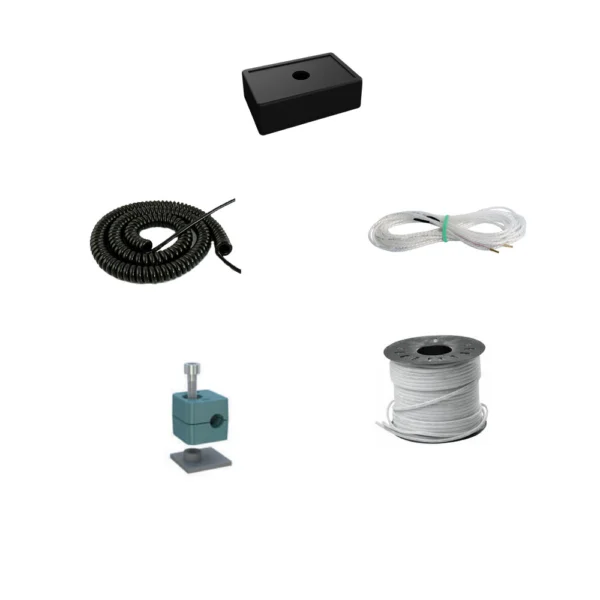
Heating Cables and Connection Tools (5)
-

Cold Room Panel Locks (Camlocks) (3)
-
Cold Room Panel Spacer (5)
-
Cold Storage Ceiling Mounting Tools (8)
-
Flip Flap Door Accessories (15)
-
Office (Serving) Door Accessories (9)
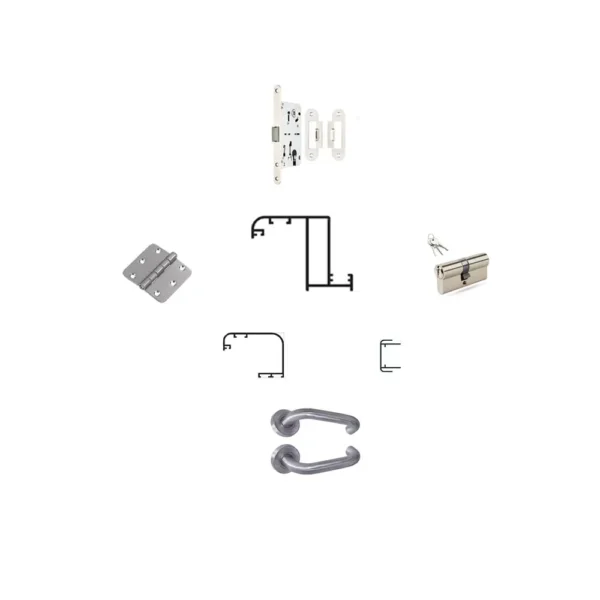
Cold Room and Door Spare Parts
Cold chain management is a discipline where every single detail can lead to critical consequences. At this point, the performance of a cold storage room is often perceived as dependent on the refrigeration units. However, cold room spare parts are among the most important elements that determine the overall efficiency of the system. Issues such as the door not closing properly, gaskets leaking air, or panel locks loosening all mean higher energy costs. In addition, a malfunction that occurs in a key component of the system can cause spoilage of the products that must be stored in the cold chain.
Cold room and door spare parts are the building blocks that enable the system to operate smoothly as a whole. In this context, the leakage-proof performance and high hygiene standards of the unit are directly related to cold room spare parts. Bob Modüler aims to ensure that refrigeration systems operate at high performance with its wide range of spare parts and accessories. The company supplies components manufactured in accordance with international standards and designed to withstand high-volume operating conditions.
Why Are Spare Parts and Accessories Important in the Cold Chain?
Cold storage rooms are environments where there is a significant temperature difference between the inside and the outside. This temperature difference creates constant thermal stress on door and panel components. Poor-quality or worn-out materials damage the thermal bridge and lead to a loss of hygiene. Furthermore, a faulty mechanism poses a risk of accidents for personnel and therefore jeopardizes occupational safety. For this reason, both periodic maintenance and the correct selection of spare parts are required for these systems. At this point, cold room spare parts are an investment that protects both the profitability of the business and the safety of personnel.
Cold Room Door Mechanisms and Accessories
Cold room doors are the most active and therefore the most sensitive points in the cold chain area. Accordingly, choosing suitable mechanisms and accessories that match the warehouse traffic is critically important. Sliding door systems, industrial hinges and lock solutions, as well as service and flip-flap door accessories, are among the key groups here.
Sliding Door Systems (Rollers, Rails and Handles)
Sliding door systems are a suitable solution for large-volume warehouses and areas with intensive forklift traffic. However, the accessories of these doors must facilitate movement in the area.
Sliding Door Rollers
Rollers stand out as cold room and door spare parts that ensure smooth sliding along the rail. The sliding door roller, which is produced from high-strength composite and metal alloys, wears out over time. Damaged rollers can cause problems such as the door jamming or coming off the rail.
The sliding door hanger arm roller group maintains balance on the upper rail and supports smooth door movement. The stainless-steel version BOB-1001SS is another component that extends the lifespan of the rail and door mechanism.
Rail Systems
Rails are made of anodized aluminum profiles that are resistant to corrosion. Among these cold room door spare parts, which determine the path of the door, the following options are available:
- Stainless Steel Rail Covers (BOB-1003R and BOB-1003L)
- Guide Systems (BOB-1002R and BOB-1002L)
- Side Rail Covers (BOB-3006R and BOB-3006L)
Another important cold room door spare part is the upper rail stop gasket. This gasket softens the stopping point of the upper rail system and prevents direct metal impact.
Outer and Inner Handles
Handles are parts that allow the door to be opened smoothly from inside or outside. Emergency-openable safety handles (panic bar mechanisms), which can be operated from the inside, are vital for personnel safety. The main outer and inner handles that provide practicality and safety in industrial use are as follows:
- Outer Opening Handle (BOB-2001)
- Strike Plate (BOB-2002)
- Stainless Outer Handle Strike Plate (BOB-2002-SS)
- Auxiliary Handle (BOB-2003)
- Recessed Inner Opening Handle (BOB-2006)
- Inner Opening Handle (BOB-2004)
- Handle Balancing Part (BOB-3003)
In addition to the above, there are also stainless inner opening handles such as BOB-2004-03 and BOB-2004-04.
Industrial Lock and Hinge Solutions
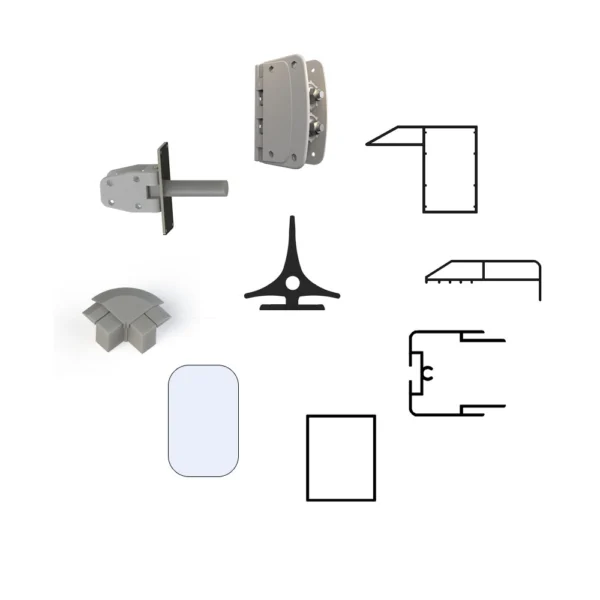
Hinged doors are suitable options for compact cold rooms with high pedestrian traffic and workload. Cold room door hinges prevent the door from sagging and ensure that the gasket sits properly on the frame. In addition, ramped lift-off hinges raise the door slightly as it opens, lifting the gasket off the floor. This reduces friction and prevents premature wear. Cold room door locks both guarantee tight sealing and enhance personnel safety.
Service and Flip-Flap Door Accessories
The hinges of flip-flap doors, which can open in both directions and are used in restaurant kitchens and passage areas, are highly specialized components. Since these doors are constantly being opened and closed, the spring mechanism and durability of these hinges are decisive factors for the speed of operations.
Panel Mounting and Connection Elements
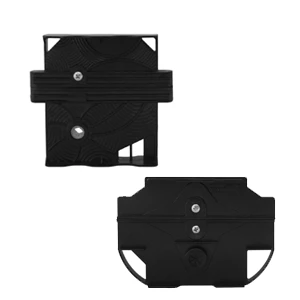
Cold room panels are modular components that interlock with each other. However, their leak-tightness and structural strength are only possible with special connection equipment. Cold room panel locks are assembly elements that provide the advantage of fast installation. A cold room panel lock also allows panels to be drawn together and locked via a hook mechanism. In this way, cold room systems remain completely airtight. Also known as camlock panel lock systems, these metal elements protect the structural integrity of the storage room.
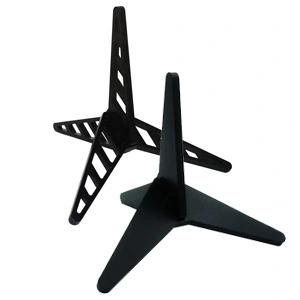
Ceiling hanger components made of polyamide or aluminum prevent ceiling panels from sagging. This cold storage room spare part increases thermal insulation by connecting the ceiling panels to the main structural supports of the building. Panel spacer elements prevent dimensional loss by supporting the upper and lower sheets during the polyurethane injection phase in panel production.
Cold Room Profile Solutions and Hygiene
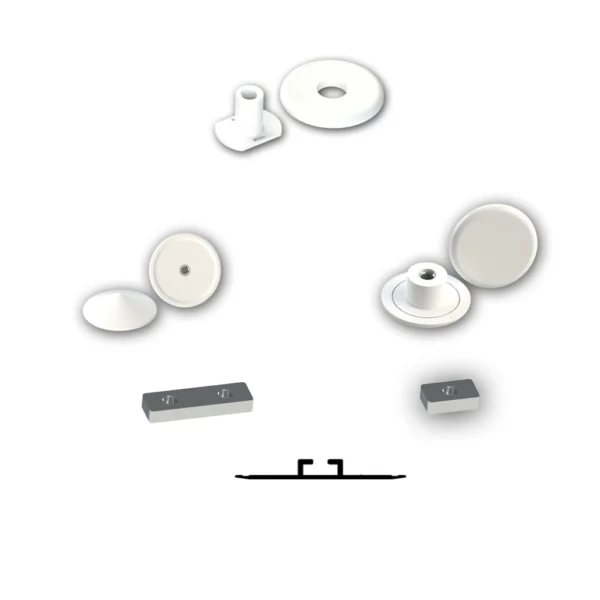
In the cold chain, where food and pharmaceutical storage is carried out, hygiene is not a preference but a strict requirement. Dirt and bacterial buildup in the corners of a cold storage room pose a serious risk to product safety. Cold room profiles prevent this by covering internal corner joints and panel–floor intersections. Among these, there are various cold room spare parts such as hygienic corner profiles, PVC profiles and aluminum profiles.
Heating and Protection Systems: Heater Cables
One of the common problems in blast-freezing rooms is that the door gaskets stick to the door frame. In addition, when the cold air inside meets the ambient air outside, condensation and icing occur. This situation makes it difficult to open the door and can also cause various problems such as gasket tearing.
Cold room door heater cables are special heating cables manufactured to fit the door frame. The cold room door heater, which operates with low energy consumption, keeps the contact surface at a certain temperature, thereby minimizing the risk of icing. In addition, these cold room and door spare parts also prevent freezing in drain lines.
Frequently Asked Questions (FAQ)
How Often Should a Cold Room Door Gasket Be Replaced?
Over time, door gaskets harden. As a result, they may lose their flexibility. If you notice signs of air leakage when the door is closed, the gasket needs to be replaced. Likewise, if icing increases or visible tears are present, you should replace the cold room door gaskets. For heavily used cold rooms, annual inspection and replacement when necessary are very important.
The Cold Room Sliding Door Is Hard to Move, What Could Be the Problem?
Wear on the door rollers or rail system can cause movement problems in a cold room sliding door. The bearings of the rollers may have failed, or deformation may have occurred in the rail line. In such cases, replacing the roller will usually eliminate the problem with the cold room sliding door.
What Is a Camlock Locking System and Why Is It Important?
Camlock is a locking mechanism that connects cold room panels to each other. It ensures that the panels are firmly locked together, guaranteeing the continuity of thermal insulation and shortening installation time.
Is It Mandatory to Use Panel Spacer (Spacer) Elements?
Yes, it is mandatory. Panel spacers support the upper and lower metal sheets that form the panel and ensure that the panel thickness remains at a consistent, standard level.
Do Cold Room Door Heaters Consume a Lot of Energy?
No, cold room door heaters generally have low wattage values. They are designed to produce only enough heat to prevent icing. Therefore, the associated energy loss is quite low.